

How to Clean a Fabric Couch or Sofa in New Zealand
Introduction
Fabric sofas are the heart of every New Zealand home — but daily life means dirt, spills, pet hair, and dust are unavoidable. With the right approach to fabric couch cleaning, you can keep your sofa looking fresh and extend its life by years. Our upholstery & mattress cleaning services are strong enough to clean the deepest stains, gentle enough not to damage furniture. Whether you need professional upholstery cleaning or mattress cleaning services in New Zealand, regular cleaning helps create a healthier and fresher home.
Under Why Regular Fabric Sofa Cleaning Matters
Your fabric sofa does far more work than you realise. Every day it collects skin cells, dust, pet hair, food crumbs, pollen, and body oils deep inside its fibres — most of which regular vacuuming cannot reach. This is exactly why knowing how to clean a fabric couch properly makes such a difference. Professional upholstery cleaning, along with mattress cleaning service options, helps remove deep-seated dirt and allergens that household cleaning can’t reach.
Why Regular Fabric Sofa Cleaning Matters
Your fabric sofa does far more work than you realise. Every day it collects skin cells, dust, pet hair, food crumbs, pollen, and body oils deep inside its fibres — most of which regular vacuuming cannot reach. This is exactly why knowing how to clean a fabric couch properly makes such a difference.
Protects Your Health Fabrics act like air filters. Trapped dust mites, allergens, and bacteria can trigger allergies, asthma, and respiratory issues — especially in children and elderly family members. Regular upholstery cleaning reduces these hidden health risks significantly.
Extends Furniture Lifespan Accumulated dirt is physically abrasive. Every time you sit down, tiny grit particles grind against the fabric fibres, causing them to weaken and fray over time. Consistent fabric couch cleaning prevents this invisible wear and saves you money in the long run.
Eliminates Odours Soft fabrics easily absorb cooking smells, pet odours, and spill residues. A proper clean — not just a spray of deodoriser — removes odour-causing bacteria at the source.
Maintains Appearance A clean sofa simply looks better. Regular cleaning prevents dull, greasy-looking fabric and keeps colours vibrant for longer.
Common Sofa Fabric Types in New Zealand Homes
Cotton
Cotton is affordable, durable, and available in thousands of colours. It has a tight weave that holds up well — but it stains easily. Cotton typically carries a W care code, making it safe to clean with water-based solutions.
Cleaning Tip: Sprinkle baking soda on fresh spills, leave for 20–30 minutes, gently rub into the fabric with a dry cloth, then vacuum away.
Linen
Linen has a natural resistance to pilling and fading, and stains tend to stay on the surface rather than soaking in. However, it wrinkles easily and does not handle heavy use well. Treating a spot can leave a water mark — it’s better to clean the whole surface at once.
Cleaning Tip: Use water-based detergent or baking soda and dab — never soak. Many linen sofas carry an S care code. When in doubt, call a professional to avoid shrinkage.
Polyester and Synthetic Blends
Polyester is one of the most practical choices for New Zealand families. It’s stain-resistant, fade-resistant, and easy to clean — an excellent option for homes with kids or pets.
Cleaning Tip: Vacuum regularly and treat stains with a diluted mix of laundry detergent, white vinegar, and water. Polyester usually carries a W or W/S code.
Microfibre
Microfibre is arguably the easiest sofa fabric to clean at home. The dense fibres repel liquid, resist soiling, and dry quickly. It mimics the feel of suede but handles everyday life far better.
Cleaning Tip: A little rubbing alcohol on a clean white cloth removes most stains. Works well with W or W/S coded sofas.
Quick Comparison: Which Fabric Is Easiest to Clean?
| Fabric | Stain Resistance | Cleaning Ease | Best For |
|---|---|---|---|
| Cotton | Low–Medium | Moderate | Everyday use |
| Linen | Medium | Tricky | Adult-only spaces |
| Polyester | High | Easy | Families with pets and kids |
| Microfibre | Very High | Very Easy | Busy households |
| Velvet (synthetic) | Medium–High | Moderate | Style-focused homes |
| Chenille | Medium | Moderate | Relaxed living rooms |
| Wool Blend | High | Moderate | Durable everyday use |
Essential Tools and Products for Fabric Couch Cleaning
Before you start cleaning your fabric couch, gather these items:
- Vacuum cleaner with upholstery attachment — removes surface dust, crumbs, and pet hair
- Crevice tool — for seams, corners, and under cushions
- Microfibre cloths — ideal for blotting without damaging the fabric
- Soft-bristle upholstery brush — loosens embedded dirt and restores fabric texture
- Baking soda — absorbs odours naturally
- Mild dish soap — safe for most water-coded fabrics
- White vinegar — breaks down stains and neutralises odours
- Rubbing alcohol — effective on microfibre and tough stains
- Spray bottle — for applying cleaning solutions evenly
- Clean white towels — for blotting (coloured towels may transfer dye)
How to Clean a Fabric Sofa — Step-by-Step
So, how do you clean a fabric sofa properly at home? Follow these eight steps for a safe, thorough clean that won’t damage your upholstery.
Step 1: Check the Care Tag
Find the label under the cushions or along the sofa’s base. Confirm your cleaning code — W, S, W/S, or X — before touching any product. This single step prevents most cleaning disasters.
Step 2: Vacuum the Entire Sofa Thoroughly
Remove all cushions. Use the upholstery attachment to vacuum every surface, including armrests, back panels, and the sofa base. Use the crevice tool in all seams and corners where crumbs and debris collect. This is the foundation of any good fabric couch cleaning routine.
Step 3: Deodorise with Baking Soda
Sprinkle a generous layer of baking soda across the entire sofa. Leave it for 15–20 minutes (longer for stubborn odours). Then vacuum it all off carefully. This step neutralises acids from body oils, food spills, and pet odours.
Step 4: Spot-Treat Any Stains
For water-coded fabrics, mix a small amount of mild dish soap with warm water. Dab the stained area gently with a damp microfibre cloth — always working from the outer edge of the stain inward. Never scrub or rub, as this spreads the stain and damages fibres. See the full sofa stain removal section below for specific stain types.
Step 5: Clean the Fabric Surface
Lightly mist your cleaning solution over the fabric. Wipe in gentle circular motions, working in small sections. Do not over-wet the fabric — excess moisture can seep into the padding and cause mould or structural damage.
Step 6: Rinse Off Soap Residue
Wipe down the cleaned areas with a plain damp cloth to remove any remaining soap. Leftover detergent residue attracts more dirt over time.
Step 7: Dry Properly
Blot the sofa with a dry towel to absorb moisture. Then allow it to air dry completely with windows open or a fan running. Never use a hairdryer — direct heat can set stains or damage fabric fibres permanently.
Step 8: Brush the Fabric
Once fully dry, use a soft-bristle brush to restore the fabric’s texture and direction. This step is especially important for velvet and ch
DIY and Eco-Friendly Fabric Couch Cleaning Solutions
You don’t need expensive commercial products to clean sofa fabric at home. Most effective solutions use common pantry staples — safer for your family, pets, and the environment.
Always check your care tag first and spot-test on a hidden area before applying any solution to visible fabric.
Baking Soda — Best for Odours
Sprinkle directly on the sofa, leave for 30–60 minutes, then vacuum off. Excellent for neutralising pet odours, sweat, and food smells. A must-have in any fabric couch cleaning kit.
White Vinegar and Water — Best for Light Stains and Odours
Mix equal parts white vinegar and water in a spray bottle. Lightly mist the fabric and dab gently with a microfibre cloth. Works well on most water-coded fabrics.
Dish Soap and Warm Water — Best for Food and Grease
A few drops of mild dish soap in warm water covers most everyday stains. Blot, don’t scrub. Rinse off soap residue when done.
Vinegar + Water + Rubbing Alcohol — All-Purpose DIY Cleaner
Mix half a cup of white vinegar, one cup of warm water, and two tablespoons of rubbing alcohol in a spray bottle. Lightly spray and wipe along the grain of the fabric. Safe for most W/S coded sofas — a versatile solution for how to clean sofa fabric naturally.
Club Soda + Dish Soap + Vinegar — Deep Stain Remover
Combining dish soap, white vinegar, and club soda creates a fizzing action that helps lift embedded stains from upholstery fibres. Great for older, set-in marks.
When to Call a Professional Upholstery Cleaner in Auckland
Home cleaning handles day-to-day maintenance well — but there are times when professional couch cleaning in Auckland is the smarter choice.
Call a professional when:
- Your sofa carries an X or S care code
- The stain is unknown, set, or covering a large area
- Your sofa is made of delicate fabric such as pure wool, silk velvet, or antique linen
- You notice persistent odours that DIY methods haven’t resolved
- It has been more than 6 months since your last deep clean
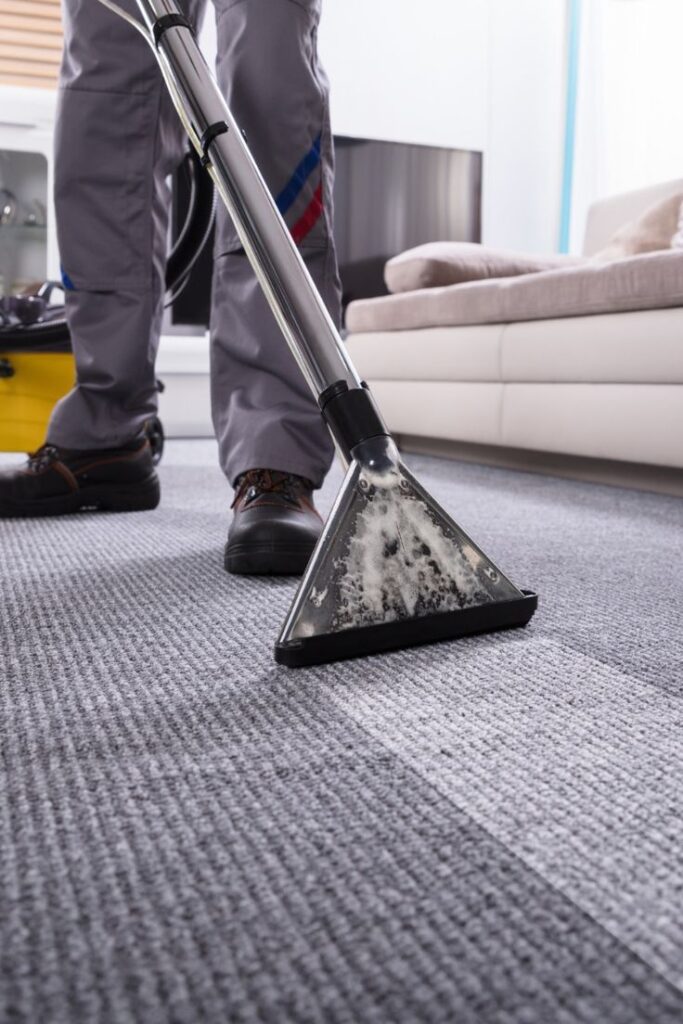
Professional upholstery cleaning services use hot water extraction (steam cleaning) and enzyme pre-treatments that penetrate deep into fibres — removing allergens, bacteria, and embedded dirt that home methods simply can’t reach. For anyone searching for reliable couch cleaning in Auckland, look for a service that uses non-toxic, pet-safe products and fast-drying techniques suited to NZ’s humid climate.
In Auckland’s coastal environment, professional cleaning also helps prevent mould and mildew buildup inside sofa cushions — a real concern during wetter months.
FAQ – Fabric Sofa Cleaning | Super Quality Cleaning
Got questions?
Fabric Sofa Cleaning — FAQ
Everything you need to know about keeping your sofa fresh and clean.
Start by checking the care tag for the cleaning code (W, S, W/S, or X). Vacuum thoroughly, sprinkle baking soda to deodorise, then spot-treat stains with mild dish soap and warm water. Wipe clean with a damp cloth and air dry completely. Always work from the outside of a stain inward and avoid over-wetting the fabric.
Always check the care label first. Use the mildest appropriate solution — water and dish soap for W-coded fabrics, solvent-based cleaner for S-coded ones. Blot rather than scrub, never over-saturate, and always air dry. When in doubt, test on a hidden area first.
A mixture of mild dish soap, white vinegar, and warm water works well for most W and W/S coded fabric sofas. For odours, baking soda alone is highly effective. For all-purpose cleaning, mix ½ cup white vinegar + 1 cup warm water + 2 tbsp rubbing alcohol.
Vacuum weekly. Deep clean at home every 3 months. Book professional upholstery cleaning every 6–12 months depending on usage, household size, and whether you have pets or children.
Only if your care tag shows a W or W/S code. Never steam clean S or X coded fabrics — heat and moisture can cause permanent shrinkage or water damage.
Search for upholstery cleaning services in Auckland that use hot water extraction or steam cleaning methods, non-toxic products, and have experience with a range of NZ fabric types. Check reviews and confirm they offer fast-drying services suitable for Auckland's humid climate.
Typically 2–4 hours with a fan or open windows. Avoid sitting on the sofa until completely dry — sitting on a damp sofa can cause the fabric to stretch or develop mildew.
Need a professional clean in Auckland?
Super Quality Cleaning Ltd — trusted upholstery & sofa cleaning experts.
Get a free quote
Fabric Sofa Cleaning — FAQ
Everything you need to know about keeping your sofa fresh and clean.
Super Quality Cleaning Ltd — trusted upholstery & sofa cleaning experts.
